Pre-Workout Meals for Faster Fat Burning: What to Eat and Avoid Before Working Out.
If weight loss is your goal, the food you eat before a workout is still crucial. Many people believe that fasting or eating less will instantly promote fat loss. In many cases, the opposite is true. A lack of adequate diet before exercise might cause you to feel weary halfway through the workout, reduce the intensity of the session, and, as a result, stall your progress.
A carefully prepared meal before a weight loss workout does not interfere with fat burning; rather, it promotes fat loss. When your system receives the proper fuel at the appropriate moment, you can work out harder, recover faster, and burn more calories overall. Here we will explain what happens in your body when you eat a meal before working exercise, what you should eat, what you should avoid, and how to choose food that helps you lose fat while not making you fatigued.
Pre-workout nutrition has a direct impact on fat loss.
Fat reduction is determined by more than just the number of calories consumed each day. It also relies on how much energy your body expends when performing physical activities. If you workout without proper nourishment, your body may be unable to maintain the intensity you have been using. This, in turn, is frequently followed by a reduction in exercise time, increased breaks, and poor recovery, all of which contribute to a low total calorie burn over time.
A well-balanced meal before a workout for weight loss delivers enough glycogen to the muscles for performance while also keeping calories under control. It stabilizes blood sugar levels, slows muscle breakdown, and alleviates the acute feeling of hunger that often leads to overeating later in the day.
To put it simply, eating well before going to the gym can help you burn more fat throughout the day rather than just during the activity.
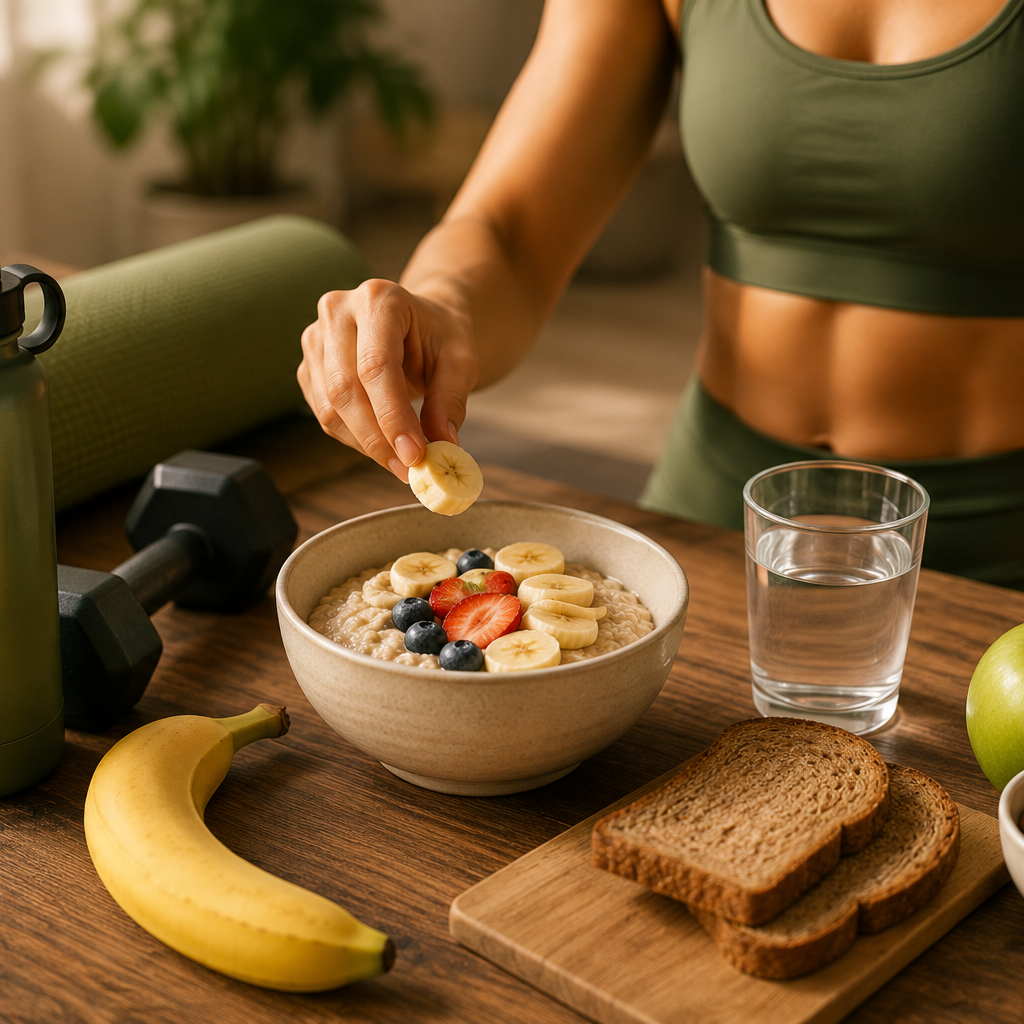
Should You Eat Before a Workout If You Want to Lose Weight?
This is usually where misunderstandings originate. Some people can perform fasted workouts, while others cannot. The reality lies somewhere in the middle.
If your workout is low-intensity, such as walking or gentle stretching, you may not need to eat beforehand. However, whether you are doing strength training, HIIT, or any other workout that requires energy, training on an empty stomach will most certainly reduce your performance. Lower performance translates to fewer calories expended, weaker muscle engagement, and slower improvement.
For the most part, eating a little before an exercise is more beneficial to weight loss than not eating at all. The goal is to feel “able” rather than “full”.
How the Right Pre-Workout Meal Helps You Burn Fat More Efficiently
When the proper meals are ingested prior to performing the appropriate tasks, the body does not immediately store them as fat. The nutrients will be used to fuel energy-intensive movement. Carbohydrates provide the majority of energy, while protein preserves the muscles, allowing for more intense workouts.
High-intensity workouts increase total energy expenditure and improve metabolic health. After some time, this will result in superior fat reduction results than low-energy, under-fueled workouts.
That is why the ideal pre-workout meal for weight loss focuses on strategic fuelling rather than restriction.
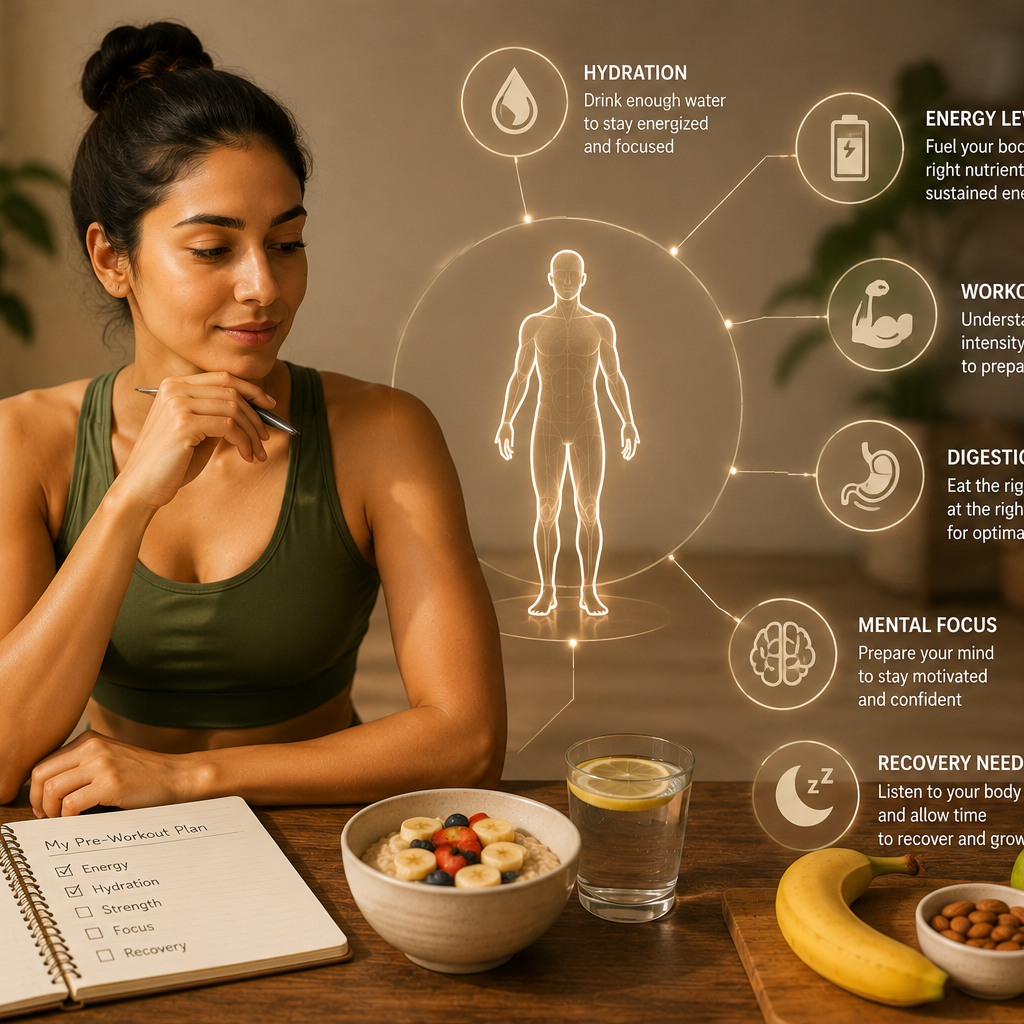
Understanding Your Body's Needs Before A Workout
Before the body performs any work, it requires energy that is conveniently accessible. Carbohydrates provide the majority of the energy. Protein functions as a helper, reducing muscle breakdown and assisting with the subsequent recovery process.
Meanwhile, fats, while helpful, breakdown slowly and so are not the ideal choice if consumed right before a workout. Too much fat can make you feel heavier, slow you down, and even cause discomfort when training.
A proper pre-exercise meal is one that is easy to digest, offers consistent energy, and does not distract the body’s attention from the workout.
Carbohydrates are important in a pre-workout meal for weight loss.
Carbohydrates are frequently blamed for weight reduction issues; yet, they are essential before exercise. During activity, the body prefers to use stored carbohydrates (glycogen) for energy. When glycogen stores are severely low, exercise intensity must be reduced.
Carbohydrates are frequently blamed for weight loss troubles; yet, they are necessary before exercise. During action, the body prefers to use stored carbohydrates (glycogen) as energy. When glycogen levels are extremely low, exercise intensity must be reduced.
Cutting away carbs before workouts may give you the impression that you are more productive in the short term, but you will have to face the consequences soon.
Why Protein Is Important Before Going to the Gym.
First and foremost, protein consumption before to exercise does not immediately result in fat loss. However, it has a significant indirect effect. It plays an important role in preventing muscle breakdown during workouts, especially if you are in a calorie deficit. Muscle preservation is important since it helps to maintain a greater metabolic rate.
Adding protein to your pre-workout breakfast for weight reduction also gives you a feeling of fullness, which reduces the risk of overeating later in the day. Even a small amount of it, such as whey protein, egg whites, or yogurt, can provide considerable results.
Time Your Pre-Workout Meal Properly.
The timing of your meal is just as crucial as the food itself. Overeating right before a workout is most likely to cause stomach distension, vomiting, and exhaustion. Conversely, if you eat too early, you may find yourself hungry before training.
If you have 60 to 90 minutes before your workout, consider a somewhat more complete lunch with carbs and protein. If you’re eating right before your workout, keep it light and easy to digest.
Listening to your body’s signals and sticking to a regular schedule will help you figure out what works best for you.
Pre-Workout Meals for Weight Loss That Actually Work
A decent pre-workout meal should be something you can readily prepare over and over. You shouldn’t need intricate recipes or expensive ingredients.
Oats with protein, fruit with a protein drink, and whole grain bread with egg whites are all instances of balanced energy without adding unnecessary calories. These alternatives are performance enhancers that also support fat loss goals.
The most successful pre-workout meal for weight loss is one you can sustain on a daily basis, rather than one that seems forced or restricting.
MorningWorkouts: What Food Is Good For You?
Exercise in the early morning hours presents a challenge because digestion is slower at times and there is usually little hunger. Many people are fine fasting for work, especially when it is light cardio. In any instance, a small provision can significantly increase the body’s output.
A banana, a scoop of whey protein, or a cup of black coffee would all suffice. These can provide enough energy to operate well without feeling heavy. The whole notion promotes fat loss while also keeping workouts effective.
Healthy and Easy Indian Weight Loss Pre-Workout Meals
The most common issue with online pre-workout nutrition recommendations is insufficient westernization. The truth is that you don’t need to buy expensive smoothie bowls or import ingredients to provide your body the proper fuel. Traditional Indian cuisine can be equally delicious if the quantity, timing, and preparation are carefully considered.
Indian meals typically include a combination of carbohydrates, protein, and fat in one dish. The major goal of a pre-workout meal for weight loss should be to eat lighter meals, cut back on oil, and avoid heavy gravies. The basic goal is to invigorate the body without overworking the digestive system.
Here are some of the greatest Indian pre-workout food options:
- Green vegetable poha prepared with the least quantity of oil.
- Plain idli with a little chutney and a bowl of sambar.
- Moong dal chilla (small serving, with less oil and butter)
- Sprouts Chaat without Oil and Sev
- Upma is made gently and eaten in moderation.
All of these items are relatively easy to digest and provide enough energy for exercise without making you feel heavy or tired.
What to eat before various types of workouts
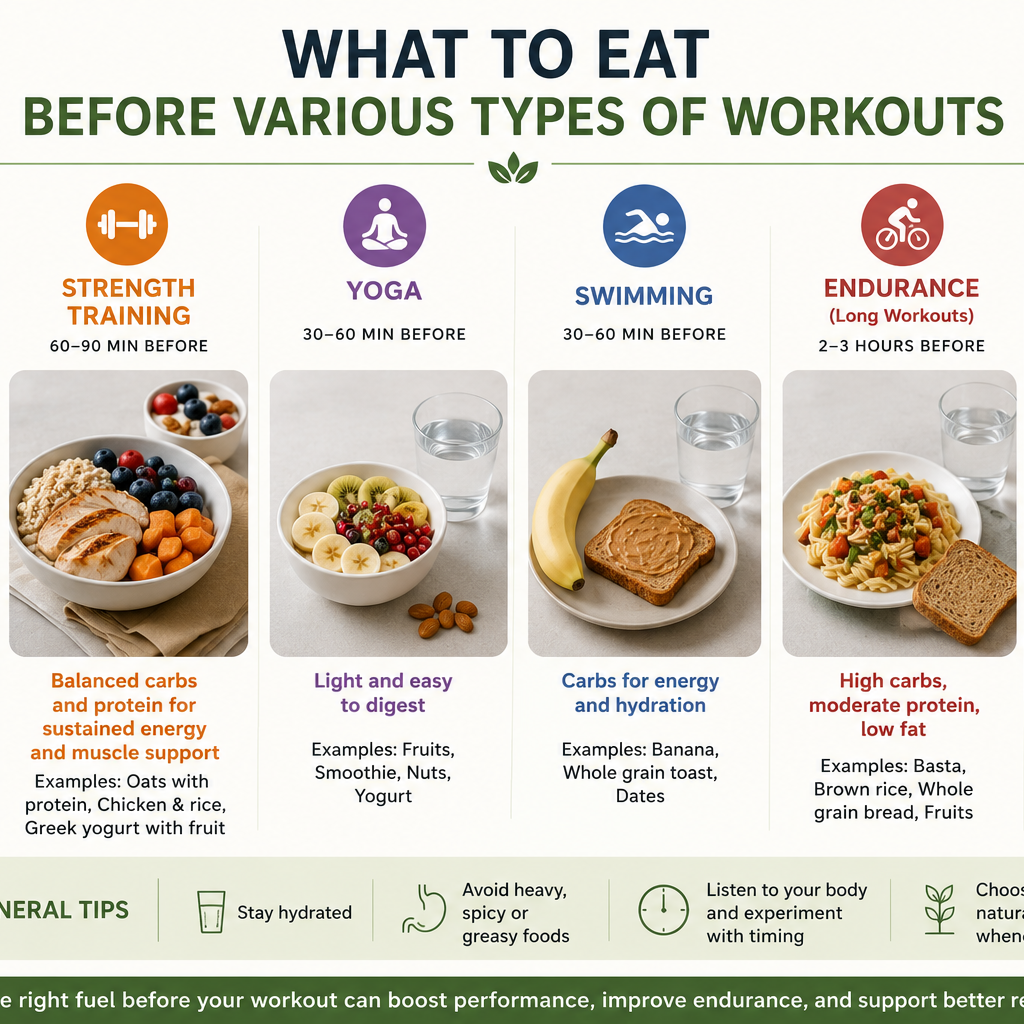
However, the body is similar to a machine in that it requires different types of fuel for different functions. The energy required for a moderate walk versus a hard leg day is vastly different. Understanding this is crucial for selecting a pre-workout meal that not only promotes fat reduction but also enhances performance.
Before Strength Training or Weight Lifting.
Strength training requires energy to power weight lifts and maintain proper form. Lack of energy causes workouts to be shorter, weaker, and less productive, which has a direct impact on fat reduction.
Good power-up meals for the workout of weight training include:
- Oats containing whey protein
- Whole grain toast and egg whites
- Banana with protein shake.
- Greek yogurt and fruit
These meals provide the body with carbs for energy as well as protein to help it maintain muscular mass.
Before Cardio Workouts
Cardio generally relies on readily available energy and does not need much from the muscle. Heavy meals eaten before cardio can induce pain and thus impair breathing and stamina.
Here are some light pre-workout cardio options:
- Banana or Apple
- Fruit and water
- smoothie
- Dates (2–3 pieces)
- Black coffee (optional, without sugar)
The primary focus is on rapid energy rather than fullness.
Before HIIT or High-Intensity Workouts
HIIT activities require both speed and focus. Under-fuelling during training can produce dizziness and early exhaustion, resulting in fewer calories burned.
Suitable pre-HIIT foods include:
- Banana and Whey Protein
- Toast with a thin layer of peanut butter.
- Fruit + Protein Shake
Before HIIT workouts, it is best to avoid fats and large portions.
What Foods Should You Avoid Before Workouts (If You Want to Lose Fat)?
Even “healthy” meals can be harmful if consumed at the incorrect moment. Certain nutrients inhibit digestion, limit workout efficiency, and make training difficult.
It is best to exclude the following things from your pre-workout diet:
- Deep-fried snacks and large meals
- Foods with a lot of sugar like biscuits, pastries, or sweets
- Dense dairy products, such as full-fat milk and cheese
- Large quantities of nuts or seeds.
- Alcohol (even in modest amounts).
By avoiding these items, you may keep your energy levels up and avoid digestive issues throughout your workout.
Does Coffee Help Burn Fat Before Workouts?
Caffeine is one of the few natural compounds that has been clinically demonstrated to improve workout performance. When drank in moderation, black coffee before an exercise can boost alertness, reduce feeling of effort, and use fat as an energy source.
However, coffee does not burn fat on its own. It just allows you to work out more effectively, which indirectly aids fat loss. The addition of sugar, milk, or flavored syrups negates the benefits.
If you use coffee as a pre-workout fuel, do it properly:
- Just black coffee.
- No sugar or milk.
- Consume it 20-30 minutes before the training.
Common Pre-Workout Nutrition Mistakes Slowing Weight Loss
Many people are unaware that they are repeating the same mistakes, which is stifling their growth. They are not always accountable for the immediate results, but over time they slow down fat loss and lessen the ability to keep up with workouts.
The bulk of issues stem from completely skipping meals, overconsuming “healthy” foods, overusing supplements, or eating too close to workout time. Another often-overlooked factor is hydration; even minor dehydration can have a significant impact on your gym performance.
Weight loss is typically slowed by factors other than a single bad meal. It is more common for small, recurring nutrition blunders to build up.
Final Thoughts
Weight reduction pre-workout food is not about restricting or starving oneself. Rather, it is about providing the body with just enough energy to allow it to move freely, train harder, and not give up.
When workouts are effective, fat loss becomes much more predictable and sustainable. Instead of ruthlessly cutting foods, focus on time, balance, and simplicity.
If you have any questions about healthy diet or weight loss, schedule an online appointment with Dt. Silky Mahajan. Please contact us by email at puja280817@gmail.com .Enter or call +918789081905 between 10:00 AM IST and 7:00 PM IST (Mon-Sat). For the latest information, follow us on Facebook and Instagram.
FAQ
What is the 3-3-3 guideline for losing fat?
The 3-3-3 rule for weight loss is a simple, habit-based approach that focuses on consistent daily actions: three nutrient-rich meals, three simple movements/exercises (such as walking or bodyweight moves), and three things to avoid (such as sugary drinks, late snacks, and distracted eating), all supported by plenty of water to build long-term fat loss habits rather than quick fixes, emphasizing consistency over strict calorie counting.
Can I eat 30 minutes before the gym?
Yes, you can eat 30 minutes before doing exercise, but it should be a light, easily digestible snack high in simple carbs and a little protein, such as a banana or a small bowl of oats with berries, to provide immediate energy without creating stomach trouble. Avoid heavy fats, fiber, and large meals because they take too long to digest and can make you feel lethargic or bloated during your workout.
What is the “2 2 2 rule” for weight loss?
The popular 2-2-2 Weight Loss Rule is a simple, habit-focused method that encourages two large bottles of water, two servings of fruits and vegetables, and two short walks (e.g., 15-30 minutes) per day, with the goal of increasing hydration, nutrient intake, and movement for easier, more sustainable weight loss by creating positive momentum and supporting metabolism.
Can I eat paneer before a workout?
Yes, you can eat paneer before a workout, especially when paired with carbs like roti for energy, because its protein supports muscles, but it’s better for longer, sustained energy or post-workout recovery due to its fat content; for a quick pre-workout boost, opt for low-fat paneer or lighter preparations, and always time it with a carbohydrate source about 1-2 hours before training.
Is it better to eat apples or bananas before a workout?
Bananas are generally better for quick, easily digestible energy and cramp prevention (potassium), ideal for intense workouts; apples offer slower, sustained energy due to higher fiber, better for longer sessions but may cause bloating if eaten too close to exercise, so the “better” choice depends on your workout type and timing.
What is the four, eight, and twelve rule?
The “4 8 12 rule” refers to a weightlifting rep scheme for muscle growth (hypertrophy), frequently meaning four sets of 8-12 reps for an exercise, or it can be a fitness regimen for endurance, aiming for 4+8+12 hours of diverse training intensities weekly.
Which is the best pre-workout snack?
- Oats
- Fresh fruits: bananas, apples, oranges, etc.
- Whole grains, such as bread and bagels
- Smoothie (low fat, moderate carbs)
- Trail mix (in small portions)
- Low-fat yogurt and toppings
- Nut butter (in little portions)
- Protein shake.
What workout helps females lose the most tummy fat?
Strength training activities should be performed at least twice per week. If you want to lose weight or achieve certain fitness goals, you may need to exercise more. There is evidence that both high-intensity interval training (HIIT) and strength training can help reduce belly fat.
- Which drink reduces abdominal fat?
- Warm water.
- Black coffee (no sugar or milk).
- Green tea
- Lemon water
- Jeera (cumin) water
- Apple cider vinegar, diluted.
- Ginger tea
- Cinnamon Water