Your Emotions Are Your Greatest Strength — If You Know How to Use Them

Many people grow up believing emotions are a weakness.
“Don’t cry.”
“Be strong.”
“Control your feelings.”

But the truth is completely different.

Your emotions are not the problem. The real challenge is not knowing how to understand, manage, and use them correctly.

When used wisely, emotions can become your greatest strength. They can help you build deeper relationships, make better decisions, improve mental health, increase self-awareness, and create a more meaningful life.

Emotions

Why Emotions Matter More Than You Think?

Emotions are signals from your mind and body. They tell you what matters to you.

Fear can protect you.
Sadness can help you heal.
Anger can show you where boundaries are needed.
Joy can guide you toward what truly fulfills you.

Ignoring emotions does not make them disappear. Suppressed emotions often return as stress, anxiety, frustration, burnout, or even physical exhaustion.

People with high emotional intelligence are usually better at:

  • Handling stress
  • Building strong relationships
  • Staying calm during challenges
  • Leading others effectively
  • Understanding themselves deeply

That is why emotional strength is one of the most important life skills.

Emotional Strength Does Not Mean Hiding Your Feelings

Many people confuse emotional strength with emotional suppression.

Real emotional strength means:

  • Feeling emotions without being controlled by them
  • Responding instead of reacting
  • Understanding your inner world
  • Staying aware during difficult moments

Strong people are not emotionless.
Strong people are emotionally aware.

How to Use Your Emotions as a Strength

1. Become Aware of What You Feel

The first step is emotional awareness.

Most people say:
“I feel bad.”

But what exactly are you feeling?

  • Angry?
  • Hurt?
  • Rejected?
  • Anxious?
  • Lonely?
  • Overwhelmed?

Naming emotions reduces their intensity and helps the brain process them better.

A simple habit:
Pause for one minute daily and ask yourself:
“What am I feeling right now?”

This small practice can improve emotional intelligence significantly.

Women's Health

2. Stop Reacting Immediately

Emotions become dangerous when reactions happen instantly.

A moment of anger can damage relationships.
A moment of fear can stop opportunities.
A moment of sadness can create hopeless thinking.

Instead of reacting immediately:

  • Take a deep breath
  • Pause for a few seconds
  • Observe your emotion
  • Respond consciously

This creates emotional control without suppressing feelings.

3. Use Pain as Personal Growth

Every emotional experience teaches something.

Disappointment teaches resilience.
Heartbreak teaches self-worth.
Failure teaches wisdom.
Fear teaches courage.

Pain becomes powerful when you learn from it instead of running away from it.

Many emotionally strong people became stronger because they faced difficult emotions instead of avoiding them.

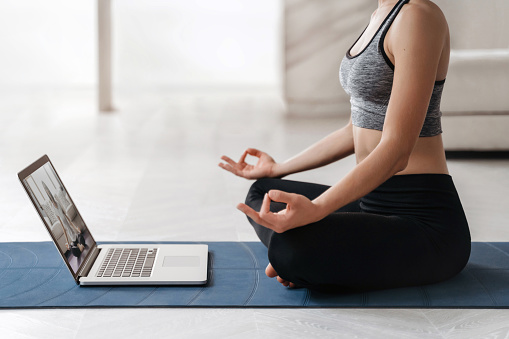
4. Practice Mindfulness and Meditation

Mindfulness helps you observe emotions without becoming trapped inside them.

Meditation improves:

  • Emotional balance
  • Stress management
  • Mental clarity
  • Self-awareness
  • Inner peace

Even 10 minutes of daily breathing meditation can calm emotional overwhelm.

Simple practices like:

  • Deep breathing
  • Yoga
  • Journaling
  • Walking in nature
  • Guided meditation

can help regulate emotions naturally.

5. Turn Emotional Energy Into Action

Emotions contain energy.

Instead of wasting emotional energy on overthinking:

  • Use anger to create change
  • Use sadness for reflection
  • Use excitement for motivation
  • Use fear to prepare better

Emotion becomes strength when it is directed with awareness.

meditation and mindfulness classes

The Connection Between Emotions and Mental Health

Ignoring emotions for a long time can affect mental and physical health.

Unmanaged emotions may contribute to:

  • Anxiety
  • Stress
  • Sleep problems
  • Low confidence
  • Emotional burnout

Healthy emotional expression improves overall well-being and creates mental balance.

This is why emotional wellness is becoming an important part of modern self-care, yoga, mindfulness, and personal growth practices.

Emotional Intelligence Is the Real Superpower

In today’s world, emotional intelligence matters more than ever.

People may forget your achievements, but they remember:

  • How you made them feel
  • How calmly you handled pressure
  • How empathetic you were
  • How emotionally balanced you stayed

Understanding emotions gives you power over your reactions, relationships, and mindset.

That is real strength.

beginner yoga

Final Thoughts

Your emotions are not your enemy.

They are powerful inner tools that can guide, protect, heal, and transform you — if you learn how to use them wisely.

Do not fear your emotions.
Understand them.
Observe them.
Work with them.

Because emotional awareness is not weakness.

It is one of the greatest strengths a person can develop.

FAQs

Are emotions a weakness?

No. Emotions are natural human responses. Emotional awareness and control are signs of strength, not weakness.


How can I control my emotions naturally?

Practices like mindfulness, meditation, deep breathing, journaling, yoga, and self-awareness help regulate emotions naturally.


What is emotional intelligence?

Emotional intelligence is the ability to understand, manage, and express emotions effectively while also understanding others.


Why is emotional awareness important?

Emotional awareness improves relationships, decision-making, mental health, confidence, and stress management.

Can meditation help with emotions?

Yes. Meditation helps calm the mind, reduce emotional reactivity, and increase emotional balance and self-awareness.


About the Author

Leave a Reply

Your email address will not be published. Required fields are marked *

You may also like these